When picking tiles, it’s easy to spend days debating the right tile colour, size and finish that will work well for your space. Yet the grout that frames each tile is often picked at the last minute. Don’t let grout choice become an afterthought. The grout used determines the function, durability and overall aesthetic of a tiled floor. Picking grout is just as important as picking tiles.
Selecting grout colours
There are three simple approaches to choosing grout colour – matching, contrasting or neutral.
Matching
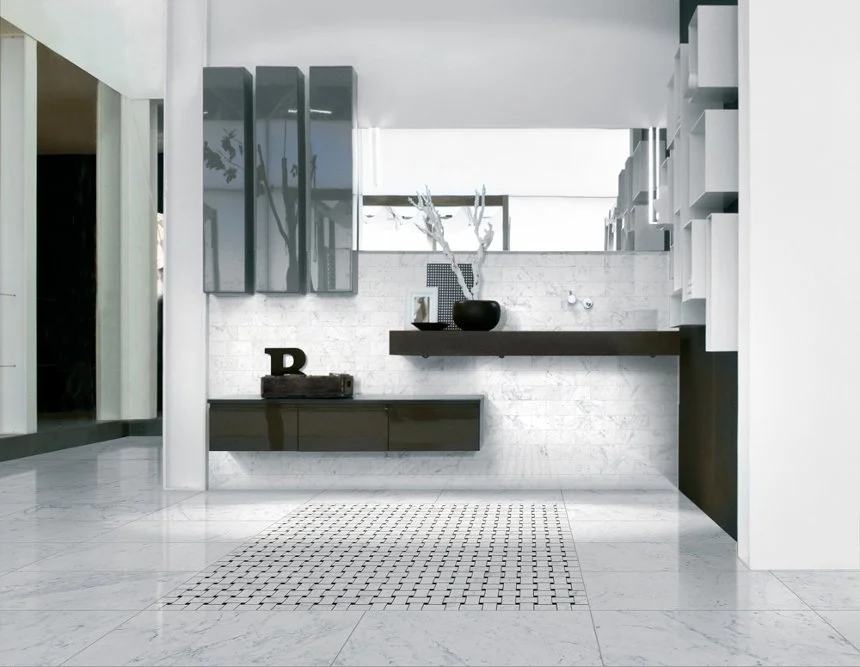
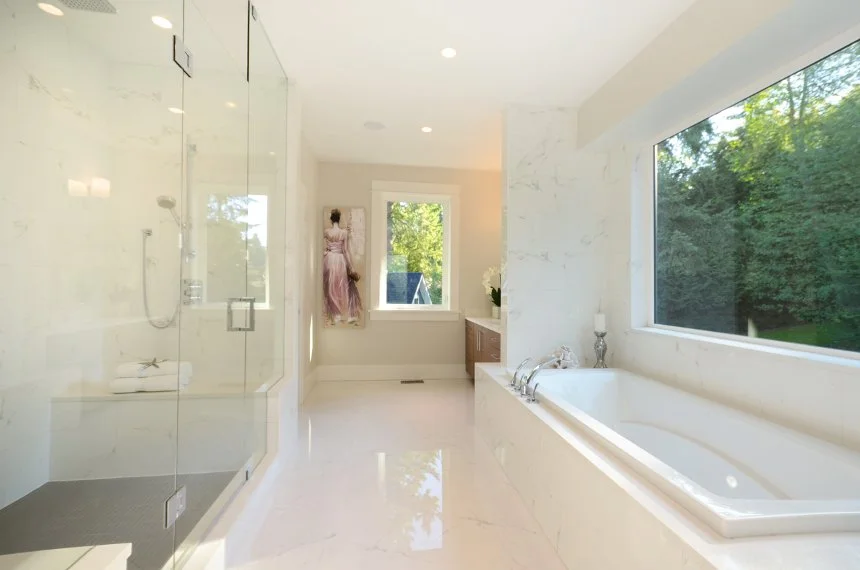
Choosing a grout colour that matches the tile creates less pronounced grout lines and draws more attention to tile. When used with a one colour tile with simple layout, a matching grout line creates a fluid look. Matching grout lines are also a great option to show off the beauty of natural stones such as marble or granite.
Contrasting
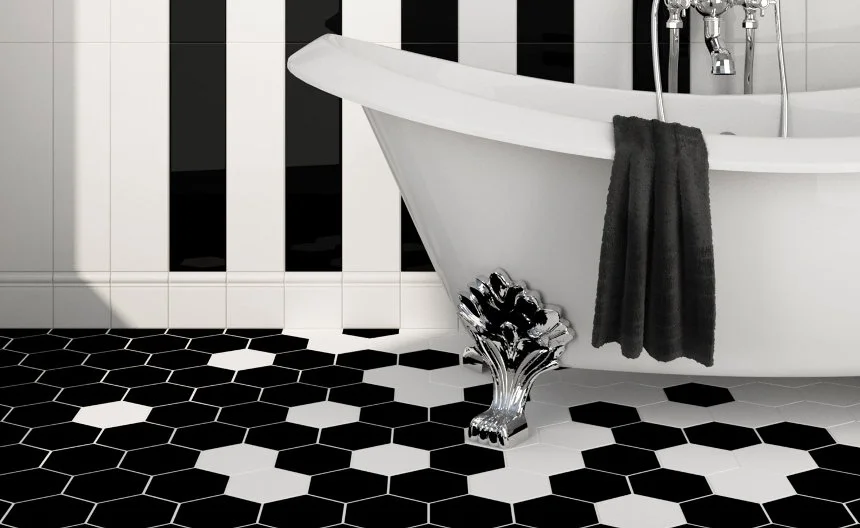
A contrasting grout colour accentuates the pattern and layout of the tile. This approach is a great choice for geometric or decorative patterns. This hexagon pattern tile from Julian Tile is a great example of a contrasting grout working well with a geometric pattern.
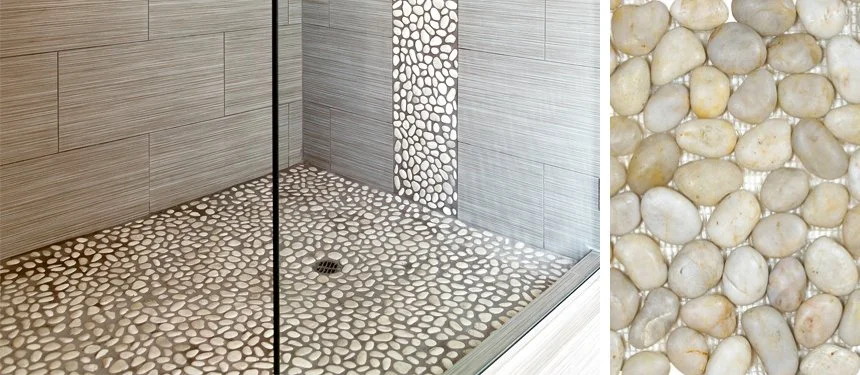
When using a pebble mosaic, a contrasting grout colour gives an earthy vibe to the pebbles.
Neutral
Neutral grouts are considered the safe choice. A light coloured beige, brown or grey grout will have the most mass-market appeal.
This neutral yellow-beige grout doesn’t stand out too much and works well against the wall colour.
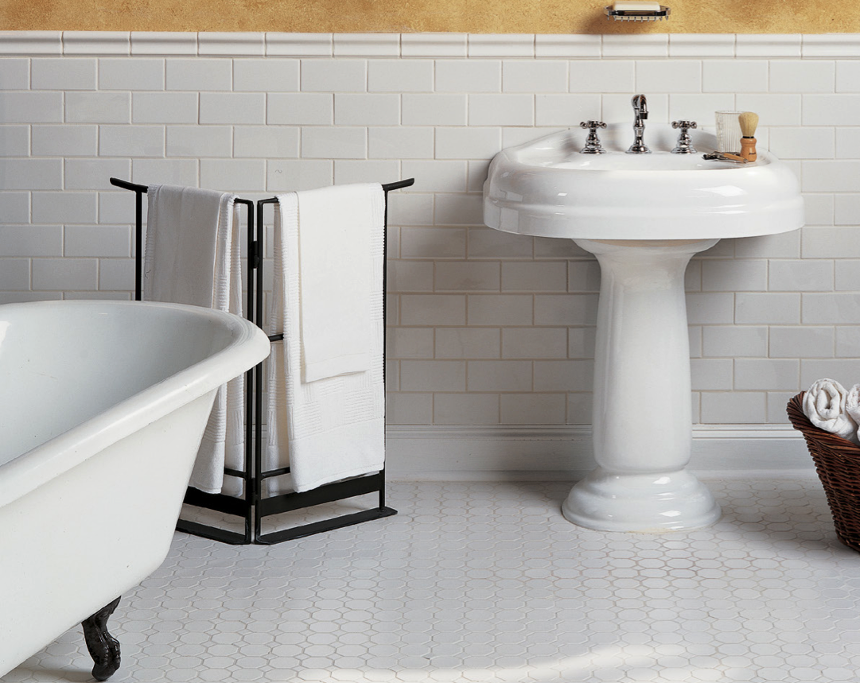
Daltile Rittenhouse Square on the wall and Daltile Octagon and Dot mosaic on the floor
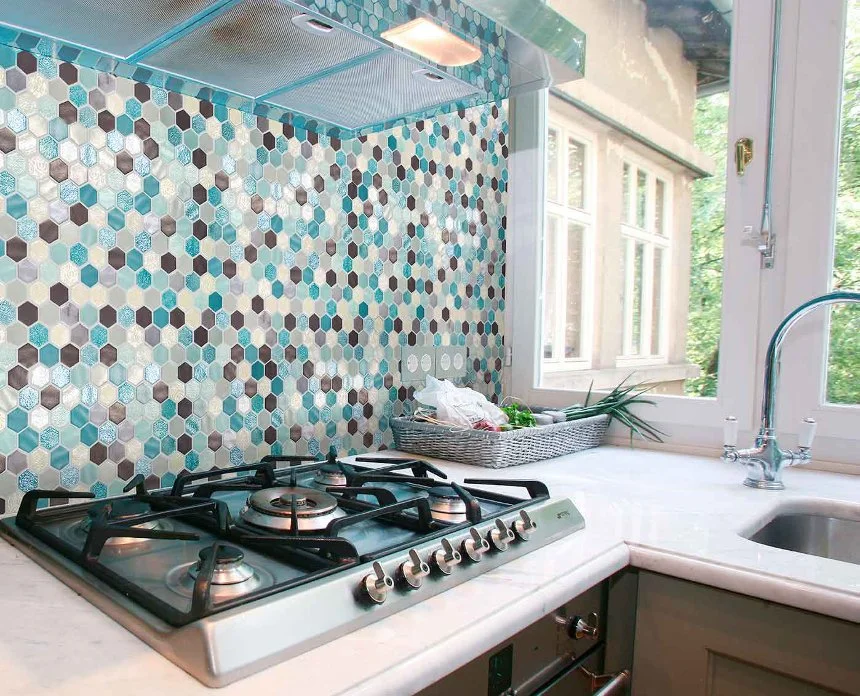
Neutral grout lines let multi-coloured mosaics take centre stage.
Dark grout vs. light grout
Darker colours hide dirt better but the colour tends to fade quicker. Lighter colours tend to show more dirt and grime. To balance the pros and cons of light and dark grouts, some designers recommend using an in-between colour like a tan or light grey. When considering dark vs. light grout, think about the traffic of the room. A busy family kitchen may not be the best choice for a light coloured grout but it could be put in a guest bathroom that isn’t used often.
Types of grout
Cement or epoxy?
Cement-based grout is the most commonly used tile grout. It’s relatively inexpensive and works well in most situations. Epoxy grout is more resistant to stains and water damage and can be substituted for either sanded or unsanded cement grout.
Sanded or unsanded?
If your grout lines are 1/8″ or bigger, use sanded grout. A sanded grout has fine sand added to it that prevents the grout from shrinking as it cures.
Inspired by: The Louvre
The Louvre Museum is a Paris landmark and must-see for any visitor. The miles-long museum is renowned for its impressive collection of artwork including pieces like the Mona Lisa & Venus De Milo. But while enjoying the 35,000 pieces of artwork, sometimes visitors miss the most prominent piece of art: the building itself.
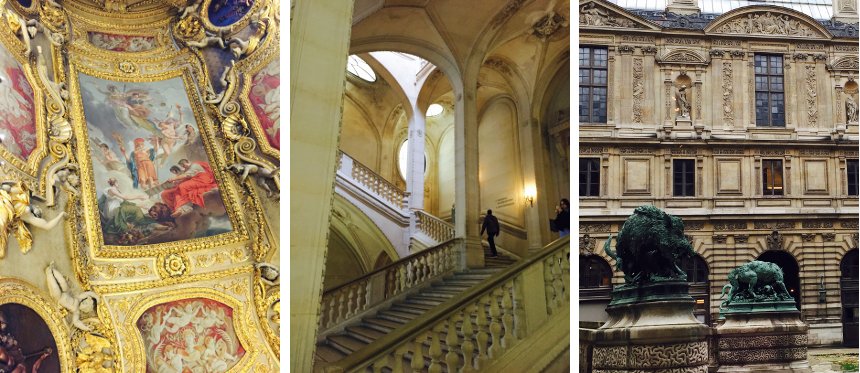
The Louvre Palace was first built in the 12th century. When Louis XIV choose the Palace of Versailles as his place of residence instead of the Louvre Palace, it left the Louvre as a home for the royal artwork collection.
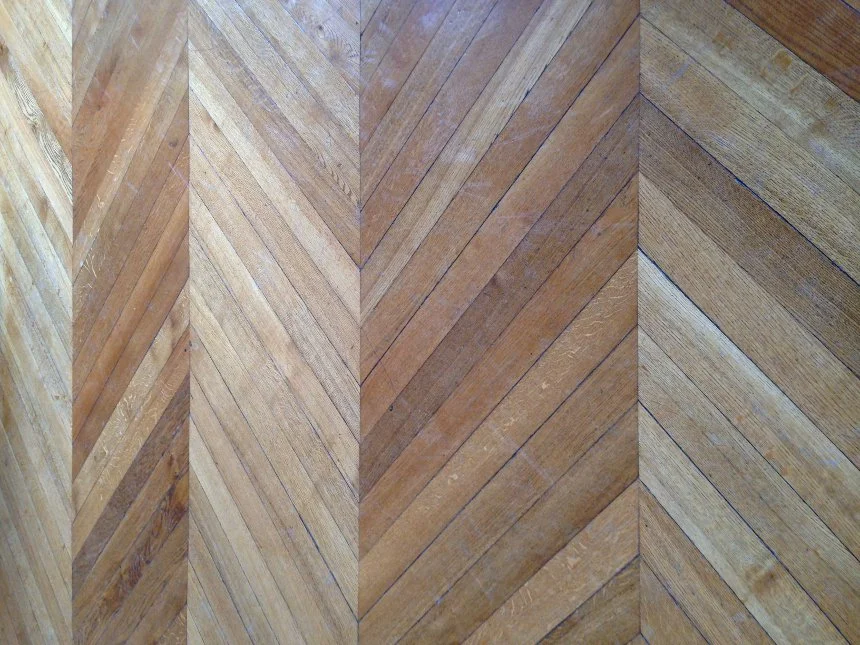
The wood floors underfoot in the Louvre are as inspiring as the artwork on the walls. Simple oak planks are cut to size and put together to create unique patterns.
This two-tone herringbone is striking even with all the character marks.
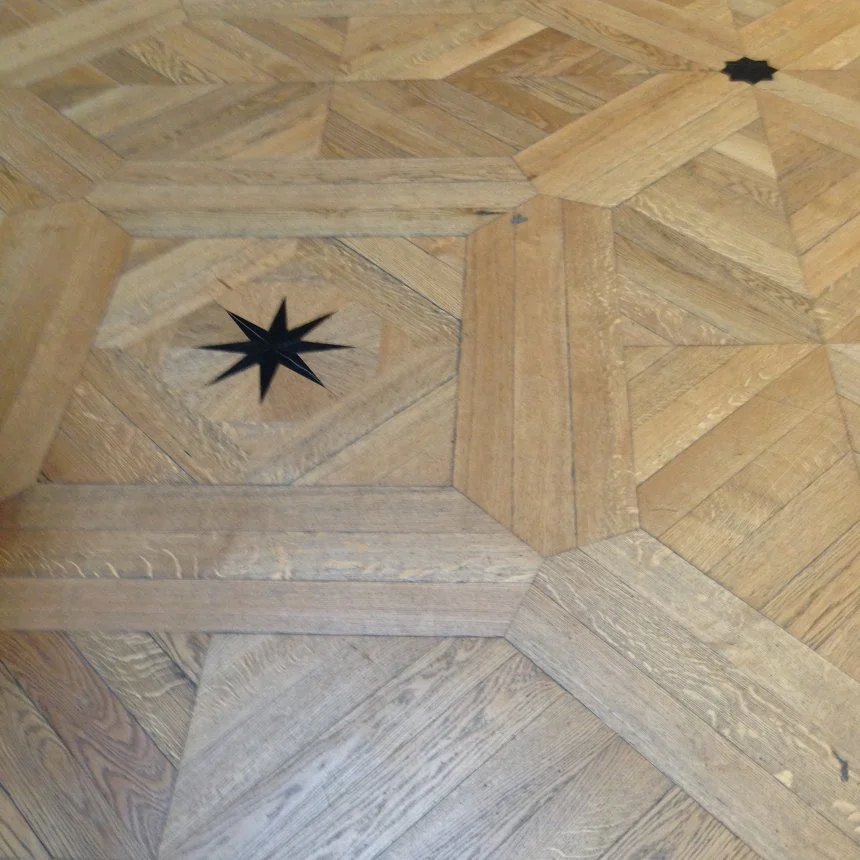
This room featured an intricate hardwood pattern with star inlays.
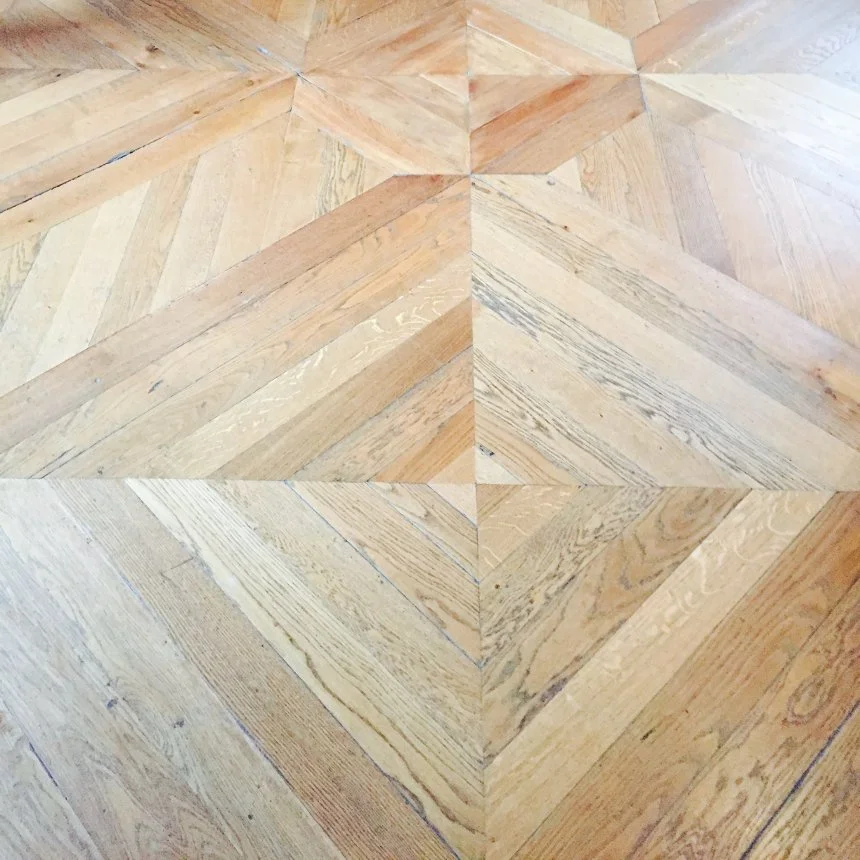
A close-up on a stunning diamond pattern.
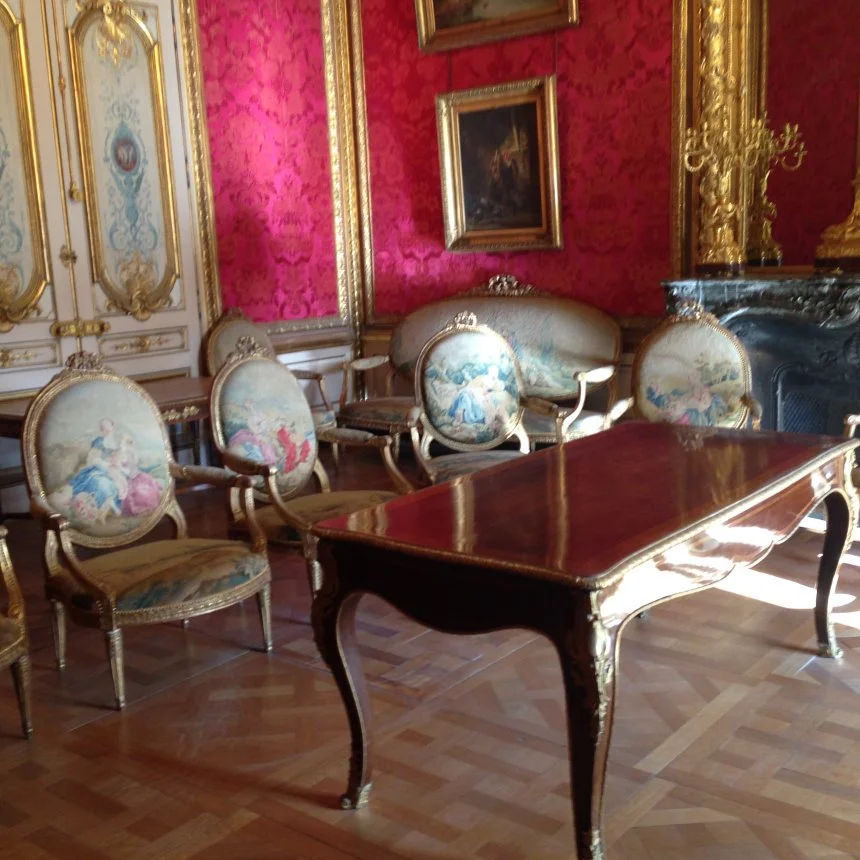
In the Napoleon III apartments exhibit, visitors can see what these patterned wood floors would look like at home – if you home also happens to be decorated in an opulent Second Empire style.
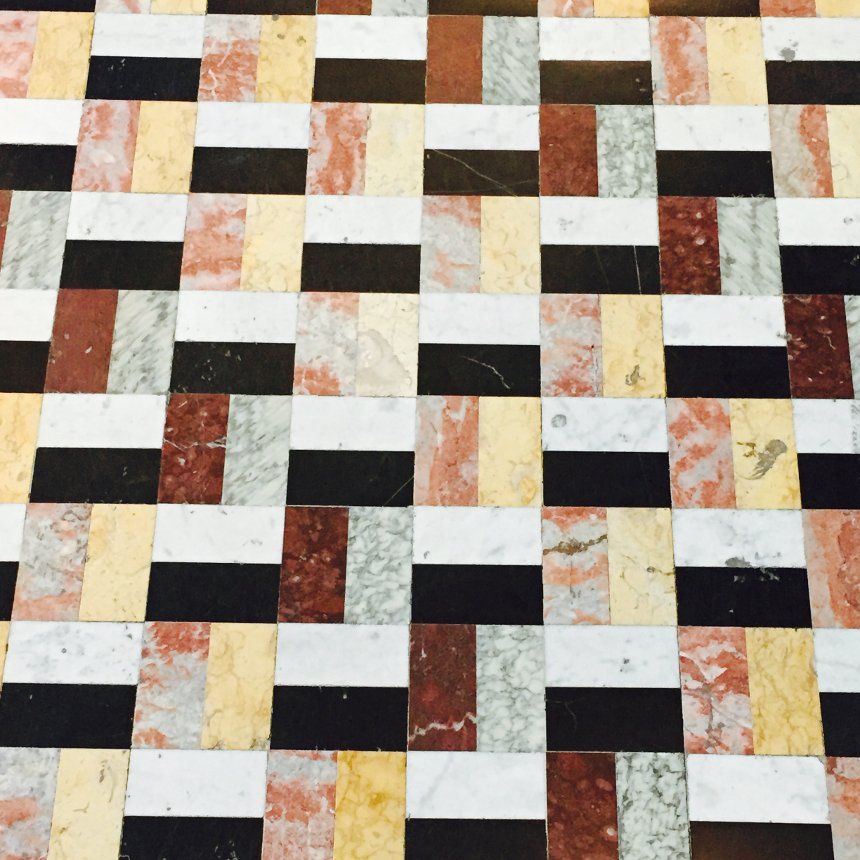
Tile floors are used throughout the Louvre as well – we love this pattern.
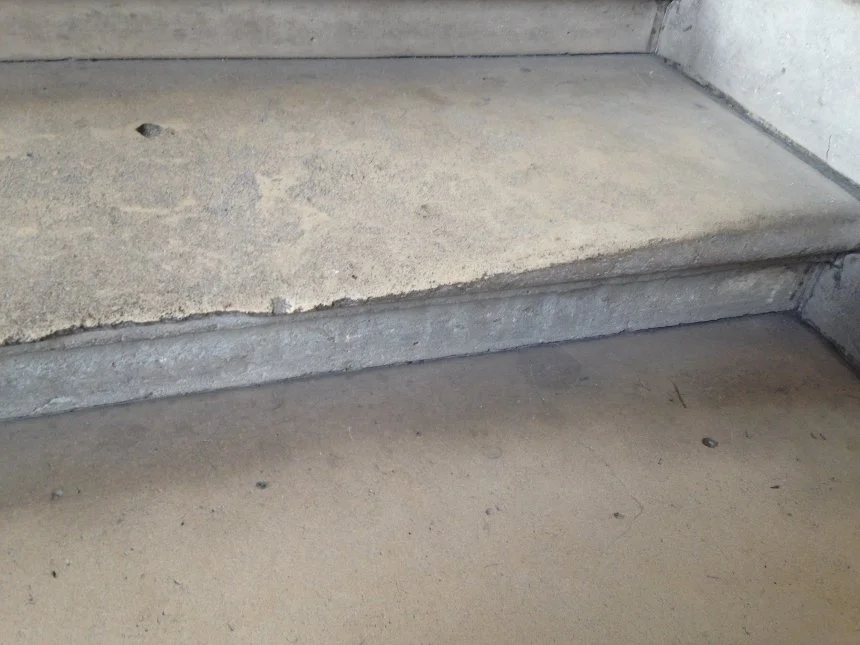
With 9.7 million visitors traipsing through the halls in a year, these floors are put to the test. On the stone steps, you can see how the middle of the step, where most people walk, has been worn down.
Get the look at home
To get the classic look of the Louvre at home, try Herringbone floors like these options from Kentwood, available in both natural oak and walnut.

To mimic the elegance of the natural stone and patterned tile used in the Louvre, try this combination of Carrara marble style tiles and basket-weave mosaic from C&S tile.